
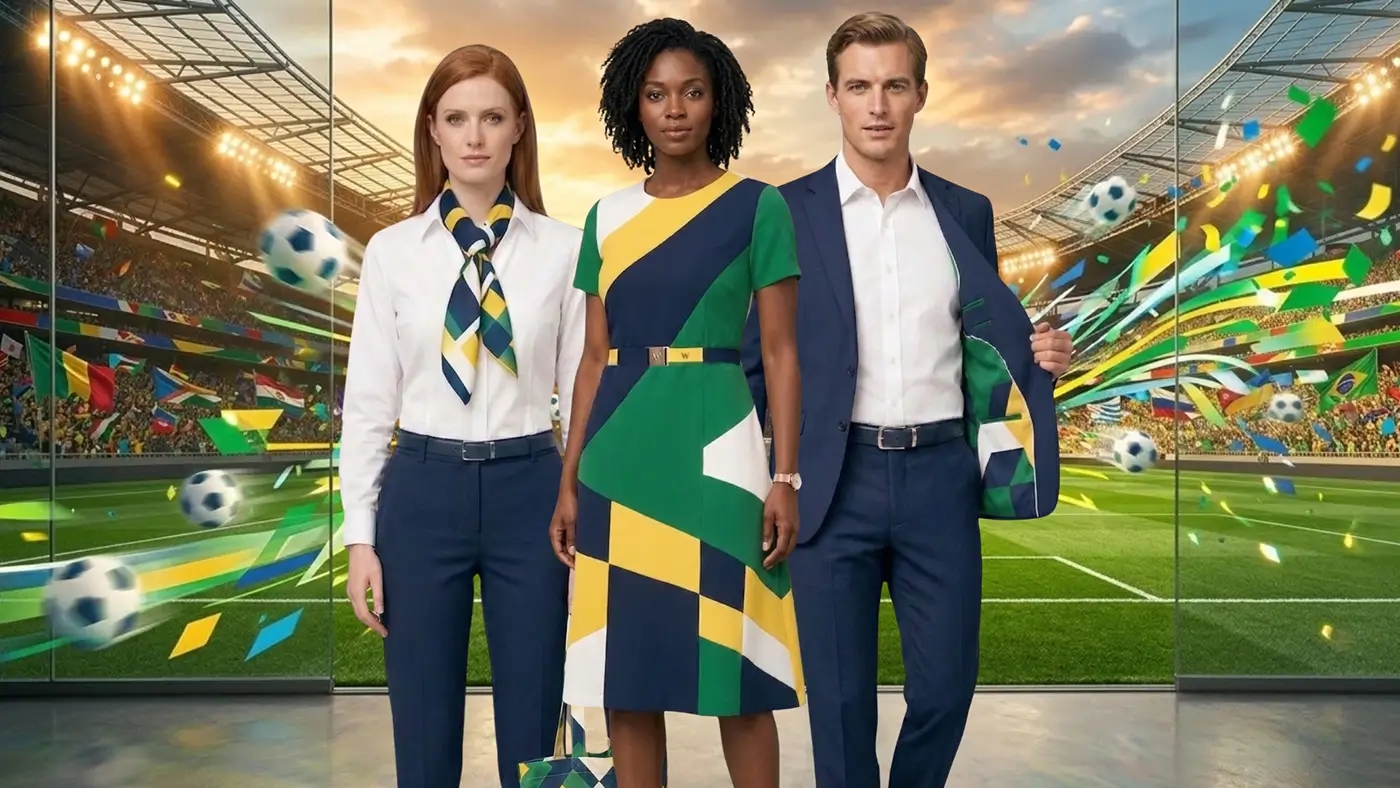
The World Cup also reinforces the importance of teamwork in companies
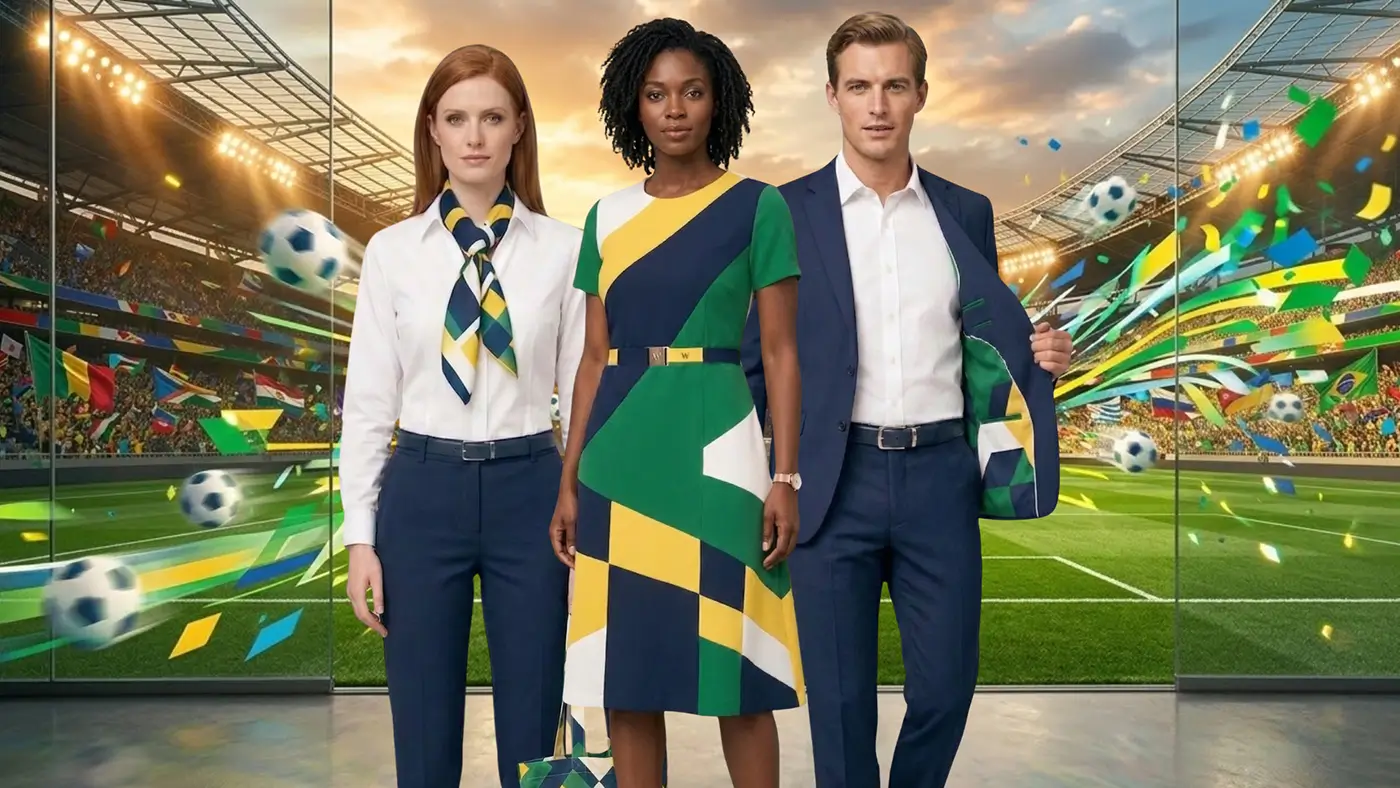
The FIFA World Cup is one of the most watched events in the world, bringing different countries together around a common goal: performance, strategy, and results on the field.
More than a sports event, the competition also highlights values that are part of organizations' daily routine, such as organization, cooperation, and team alignment.
Just like in sports, companies also depend on planning, integration among professionals, and well-defined goals to achieve good results. In this context, the way a team presents itself also helps convey organization, identity, and professionalism.
Uniforms as an element of identity and organization
In the corporate environment, uniforms go far beyond visual standardization. They represent the company's identity, reinforce institutional image, and help communicate professionalism to both employees and customers.
In addition, the use of uniforms supports internal team organization by making it easier to identify roles, departments, and responsibilities within the company.
In special periods, such as major sports events, many companies choose to develop customized uniforms or internal campaigns that value the moment, bringing employees together and reinforcing organizational identity.
This strategy can help:
- strengthen employees' sense of belonging;
- promote greater integration between teams;
- reinforce the company's institutional identity;
- communicate organization and professionalism to the public.
When well structured, the uniform becomes part of organizational culture.
Customization and versatility in corporate uniforms
Today, the market offers many customization possibilities for corporate uniforms. From more casual pieces to social and corporate models, uniforms can be adapted according to each company's profile and activity characteristics.
Among the options most used by organizations are:
- customized t-shirts;
- corporate polo shirts;
- dresses and social pieces;
- sweatshirts and comfortable pieces for operational teams;
- full uniforms for customer service teams.
These pieces can incorporate elements of the company's visual identity, such as institutional colors, logos, and custom details, always prioritizing comfort, durability, and functionality for employees' day-to-day routine.
Integration and organizational culture in companies
High-visibility events such as the World Cup can also be opportunities to strengthen integration between teams within organizations. When companies value moments of interaction and collaboration, the work environment tends to become more productive, organized, and aligned with institutional goals. In this scenario, initiatives such as customized uniforms or internal campaigns can help reinforce organizational culture and employees' identification with the company.
Grupo Ideal Work's role in developing professional uniforms
With more than five decades of experience in manufacturing professional uniforms, Grupo Ideal Work provides complete solutions for companies in different segments. Throughout its history, the company has followed the evolution of uniform programs in Brazil, helping professional clothing move beyond simple standardization to also represent identity, safety, and worker appreciation. With a diversified portfolio and solutions adapted to each client's needs, the group develops projects that combine design, comfort, quality, and functionality.
Uniform programs as part of company identity
Just as sports teams use uniforms to represent their colors and identity, companies also use uniform programs to strengthen their institutional presence. When well planned, uniforms help organize teams, value employees, and convey a consistent and professional image to the market. More than clothing, they become part of the company's identity and of how it presents itself to the public.